


Twilio launches tools for human & AI conversations
Thu, 7th May 2026
Twilio has launched a new set of platform products to manage customer conversations across human staff and AI agents, marking a broad expansion of its customer engagement offering.
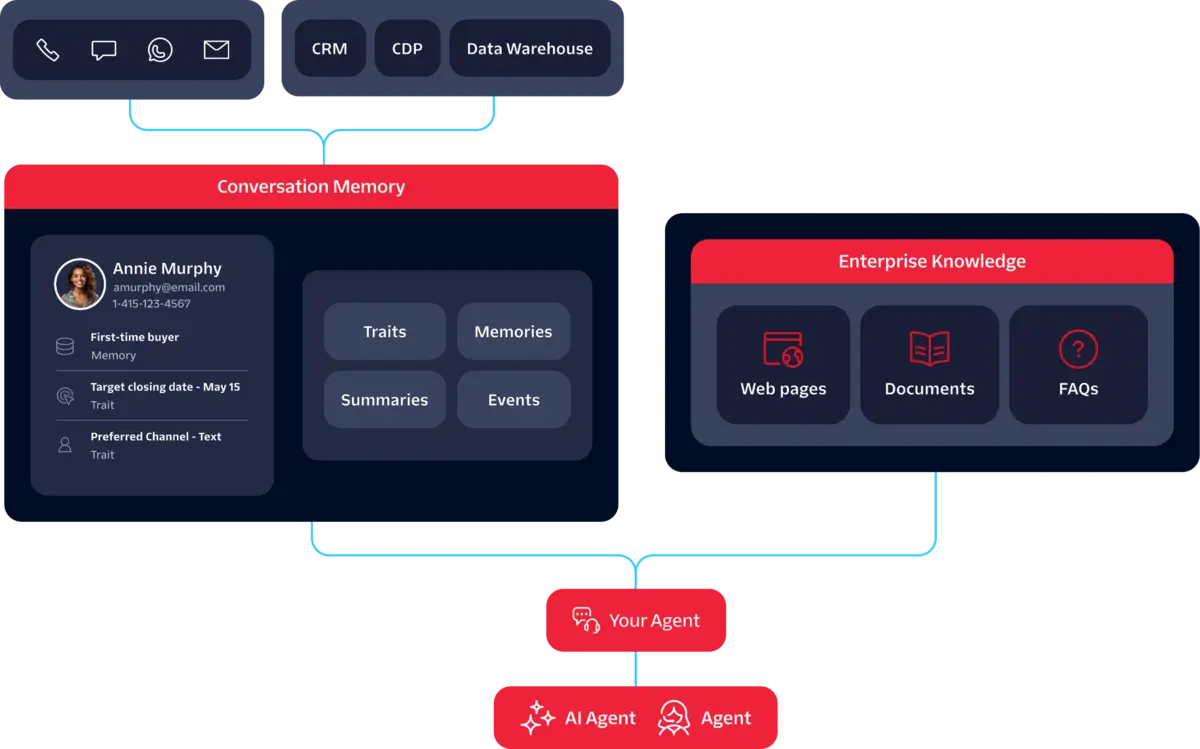
The new products - Conversation Memory, Conversation Orchestrator, Conversation Intelligence and Agent Connect - are now generally available. They are designed to keep context attached to customer interactions as they move across voice, messaging and other systems.
Twilio also introduced a redesigned Twilio Console as a single interface for customers to access products and manage communications workloads. The updated console includes a developer workspace called Workbench and an integrated AI support assistant.
Twilio framed the launch around a common customer service and sales problem: customers often have to repeat information when they switch channels or move between automated systems and human agents. The new products are designed to retain conversation history, manage hand-offs and trigger actions during live exchanges.
Conversation Memory stores customer history, preferences, behaviour and conversation state across channels. Conversation Orchestrator manages routing, escalation, state management and transfers between AI systems and human agents during a single customer journey.
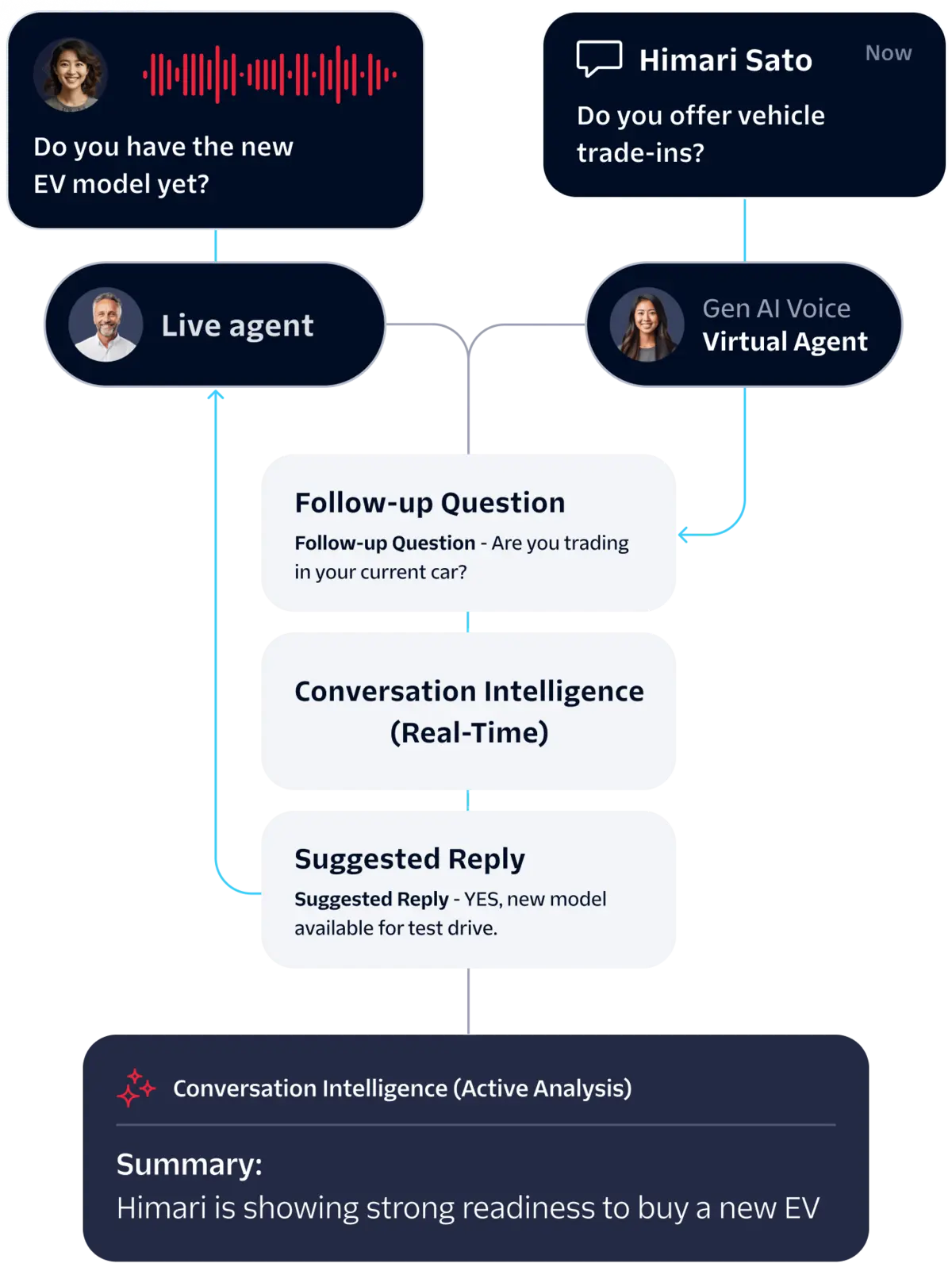
Conversation Intelligence builds on Twilio's existing conversational AI tools and is designed to turn live voice and messaging interactions into structured information that can support agents or trigger workflows. Agent Connect is an open source framework that links AI agents and models to Twilio's voice and messaging channels for real-time interactions.
Khozema Shipchandler, chief executive officer of Twilio, said: "The agentic era is here. Agents are joining conversations alongside the people they represent, and modern customer engagement requires an infrastructure that serves both equally."
He added: "Twilio's new platform is the foundational infrastructure layer that makes every conversation persistent, contextual, and actionable - ensuring interactions feel like part of one continuous relationship."
Twilio is seeking to position itself at the centre of a market that increasingly overlaps communications software, contact centre tools, customer data platforms and AI systems. It argues that businesses need a single layer to connect channels, store context and support both human-led and automated interactions.
Inbal Shani, chief product officer and head of R&D at Twilio, said many businesses still treat each interaction as separate. "Most brands still treat every conversation with a customer like it's the very first one," she said.
She added: "Twilio is changing that at the infrastructure layer, so every business built on Twilio can remember, learn, and respond like they actually know their customers."
Broader rollout
Alongside the new conversation tools, Twilio announced the general availability of Twilio Email in the new console. Built on SendGrid technology, it is aimed at customers that want to add email to existing communication workflows without relying on separate systems.
Twilio SendGrid will remain a separate email platform for high-volume transactional and marketing email. Twilio also outlined updates to its voice AI products, including PCI-compliant voice workflows, a native integration with Deepgram's real-time speech-to-text model Flux, and API access to latency and quality analytics through Conversation Relay Insights.
Other additions include a public beta for EU SMS data residency, giving customers the option to manage and store personal data linked to SMS within the European Union. Twilio is also acting as a provider for Apple Messages for Business in private beta, allowing businesses to communicate with customers through Apple's Messages app.
Twilio is now part of Stripe Projects, allowing developers and AI agents to provision Twilio services within a programmable command-line workflow alongside other services.
Market response
Analysts cited by Twilio linked the launch to wider changes in how businesses manage customer engagement. Mila D'Antonio, principal analyst for customer engagement at Omdia, said: "At the centre of the CPaaS, CCaaS, CDP, and AI convergence, Twilio is redefining what a Customer Engagement Platform (CEP) looks like-one that remembers, adapts, and orchestrates across every touchpoint. That combination of vision, execution, and ecosystem leverage is what solidifies Twilio's place at the top of the category."
Twilio said the new products have been in private beta with customers since January. It named Car Finance 247, Centrefield and Constellation Dealerships among early users, and said partners including Apply Digital, AWS, Blacc Spot, Ciptex and Zennify took part in the beta programme.
Centrefield highlighted the operational use case in sales and service environments. Aniketh Parmar, chief technology officer of Centrefield, said: "For Centrefield, performance comes down to how well every interaction moves a customer forward. We're capturing each conversation in real time and applying what we already know about the customer to guide our agents and AI systems in the moment. With the Twilio Platform, including Conversation Orchestrator, Conversation Memory and Conversation Intelligence, we can see what's driving conversations so we can standardize what works, eliminate what doesn't and continuously improve outcomes at scale."
Paul Nashawaty, principal analyst at theCUBE Research, pointed to growing consumer exposure to AI-driven service models. "Twilio's latest platform capabilities deliver a trusted infrastructure layer for conversations; one that makes them contextual, persistent, and personal across every channel and participant, human or AI," he said.
He added: "That foundation is increasingly critical as conversational AI scales, with 85% of consumers already interacting with AI agents in recent months1 and 68% expecting seamless, consistent experiences across channels,2 forcing enterprises to unify communications, data, and intelligence into a single, interoperable engagement layer."