Decarbonisation stories
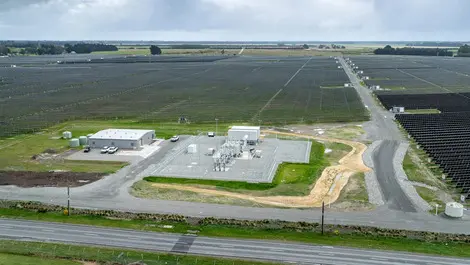
The project is set to power about 36,000 homes a year, adding one of New Zealand's largest solar assets to Christchurch's grid.
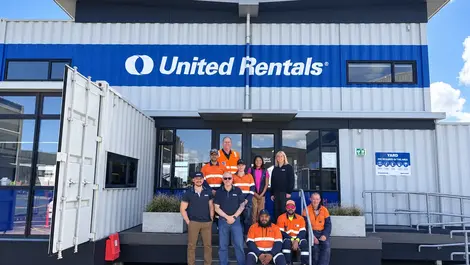
The new equipment line could help construction and infrastructure customers cut worksite emissions and save up to $25,000 a year.
Passengers in Samoa will gain cleaner island links as five solar-powered catamarans start service, cutting diesel use and transport emissions.
Rising demand for AI and cloud services is pushing operators to spend on lower-emission facilities as the market heads towards USD $197.02 billion by 2031.
The trial could trim energy use at a site that welcomes about 17 million visitors a year, while helping meet its 2030 carbon-neutrality target.
A new report says manufacturers risk missing out on lower costs and fresh sales unless they link emissions cuts to clear business returns.
The new meter is aimed at plants needing faster gas monitoring, with colour touchscreen controls and digital links for industrial systems.
Sales, not subsidies, are now seen as the main brake on battery-electric construction equipment, with only 10.4% penetration forecast by 2030.
Its third-quarter sustainability score of 4.04 keeps the group on course for a 4.20 target, as supplier and workforce programmes expand.
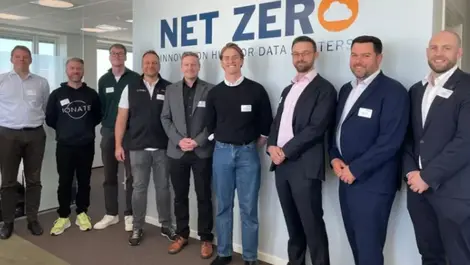
The Waterford firm will gain access to hyperscalers and investors as it seeks to scale its waste-heat-powered carbon capture technology.
The enlarged consultancy now has more than 100 staff and a stronger London base as demand rises for data centre and lower-carbon projects.
Industrial firms can cut emissions and lift growth at the same time, according to a World Economic Forum guide backed by Tata Consultancy Services.
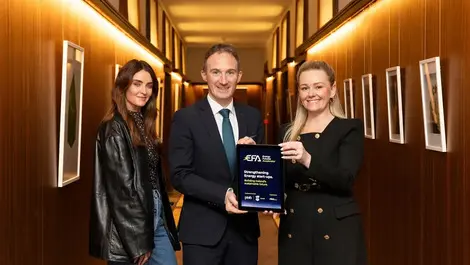
Irish climate and renewable energy start-ups can now apply for six months of mentoring, fundraising guidance and market support.
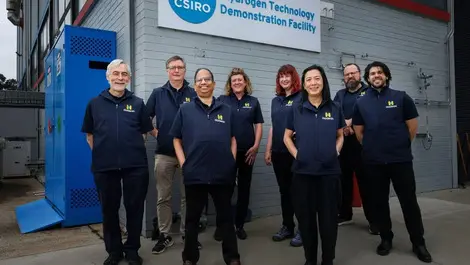
The grant will fund a larger industrial demonstration of Hadean's waste-heat-driven electrolyser, aimed at cutting power use in hydrogen production.
The pilot will test whether industrial sites can help stabilise Singapore's grid as renewable power and electricity demand rise.
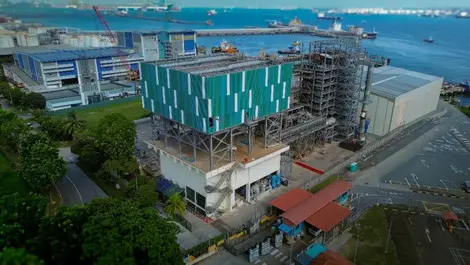
The pilot could help Singapore assess whether ammonia can be turned into reliable industrial hydrogen for data centres and heavy industry.
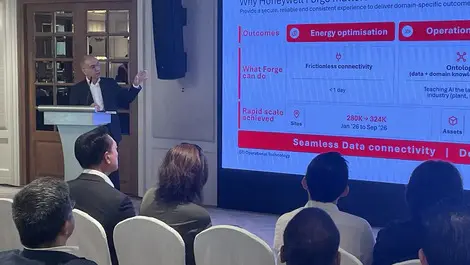
AI is cutting product development times at Powerweave, as the company aims for about 30% revenue growth this fiscal year.
Cutting diesel exposure is central to Fortescue's plan to power Pilbara operations with 1.5GW of solar, 900MW of wind and 5GWh of storage.
Rising power bills and emissions pressure are driving the scheme, which aims to cover 100MW of supplier rooftops within two years.
The funding will help the electricity supplier grow among Britain's largest commercial users as demand for flexible power contracts rises.