Decarbonisation stories
New Zealand stands at a pivotal moment to harness AI's potential, which could add USD $15.7 trillion to the global economy by 2030.
The event is expected to draw overseas buyers and create more business opportunities across the battery supply chain.
New credentials backed by EECA aim to plug skills gaps as employers face rising demand for verified carbon and energy expertise.
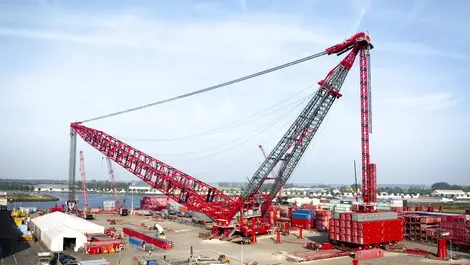
The 6,000-tonne SK6000 could speed major energy builds by shifting more work offsite and bringing first power sooner.
One New Zealand releases its first Sustainability Report, revealing a 24% cut in emissions and $3.2 million in youth support.
BT has enhanced its Carbon Network Dashboard, enabling businesses to track carbon emissions and energy use linked to AI applications and workloads.
The rise of artificial intelligence is reshaping data centres, with investments skyrocketing to USD $25.2 billion in 2023, requiring a transformation in infrastructure.
Teletrac Navman unveils a global consultancy to aid fleet operators in crafting decarbonisation strategies, tapping into Vontier's multi-energy solutions.
New legislation mandates annual sustainability reports for large companies, requiring detailed emissions and climate risk disclosures by 1 January.
Investible invests in DeCarice, supporting hydrogen tech that cuts carbon emissions by 85% in heavy-duty diesel engines, marking the Fund's 29th climate tech investment.
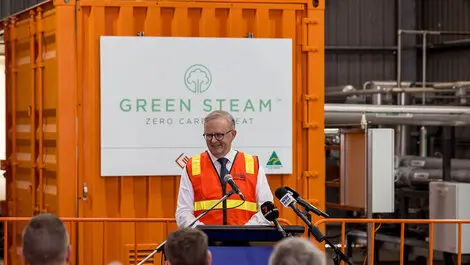
Graphite Energy has unveiled Australia's first electric thermal energy storage system, promising 30-40% savings for manufacturers and a greener future.
Schneider Electric and SA Power Networks are extending their partnership to trial SF6-free technology, aiming for a greener energy distribution in South Australia.
Equinix has signed its first power purchase agreement in India with CleanMax, launching a 33 MW renewable energy project to support its data centres.
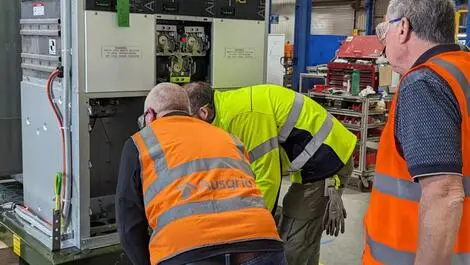
Ausgrid has teamed up with Schneider Electric to implement SF6-free switchgear in a bid to enhance sustainability and reduce environmental impact.
Cogo and Tandem Bank are deepening their partnership to introduce a carbon management feature in Tandem's banking app, promoting greener consumer choices.
Ofload has launched DataVerse, an AI-driven platform to optimise carbon emissions across Australia's freight networks, partnering with Remedy Drinks.
Ofload has launched DataVerse, an AI-powered platform aimed at optimising carbon emissions and freight performance across Australia's logistics networks.
Informatica partners with HowGood to empower food suppliers with AI-driven sustainability insights, addressing rising consumer ethical demands and regulatory pressures.
ST Telemedia Global Data Centres partners with Phaidra in Singapore to pilot AI-based cooling, aiming for up to 30% energy savings and carbon neutrality by 2030.
CQUniversity and Sunshine Hydro's new initiative aims to support Central Queensland's decarbonisation with Mini Superhybrid technology, enhancing regional skills and job creation.