Emergency services stories
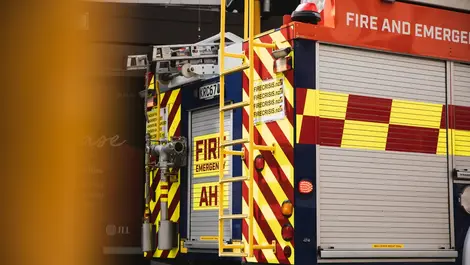
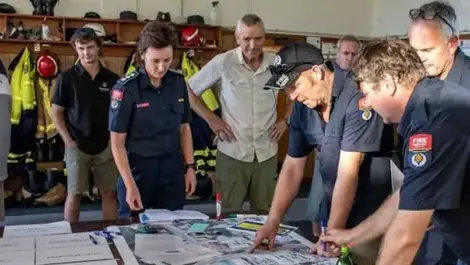
Communities face thinner fire cover if the strike goes ahead, with volunteers and safety warnings expected to bridge major gaps in response.
A replacement for New Zealand's ageing 111 emergency call system has slipped to February, despite warnings it poses a fundamental risk to public safety.
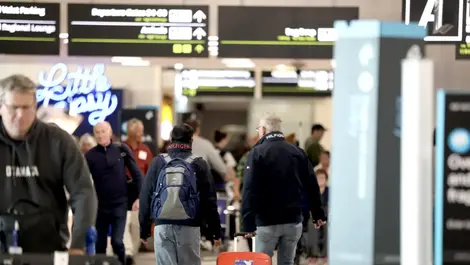
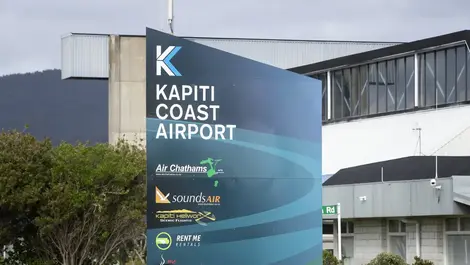
Flights may be cancelled or diverted later this month if the airport's firefighters walk out, threatening disruption for tens of thousands of travellers.
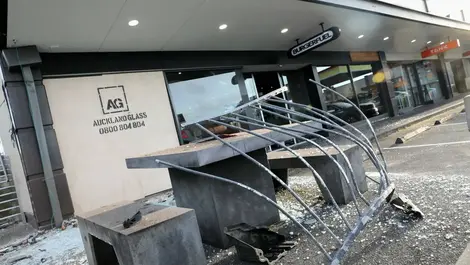
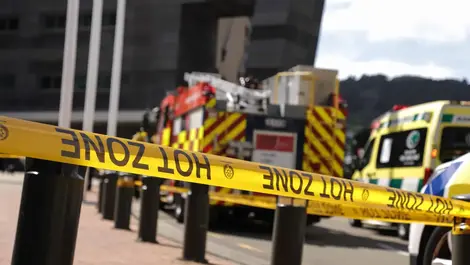
No one inside the Takanini BurgerFuel was hurt, but the crash left three occupants dead and raised fresh fears over street racing on Great South Road.
Smoke and fumes from a breakdown forced the evacuation of 44 passengers, with nine Wainuiomata Primary School students taken to hospital.
Membership could give the Mackenzie District a stronger voice on rural health, as councillors backed $1200 to join a national network.
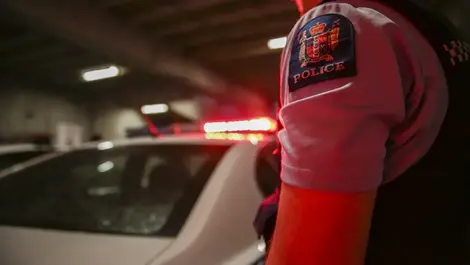
Police and fire crews are now using the new system, backed by NZD $1.7 billion over 10 years, with ambulance services to follow.
Emergency dispatchers across New Zealand now have a common console platform as the final stage of the public safety radio rollout nears completion.
A new report says many farmers now struggle to reach 111 after 3G was switched off, intensifying risks on remote properties.
Residents and emergency crews stand to benefit as Waipā District Council moves to lower 12 speed bumps in Cambridge and Kihikihi for $310,000.
A potential sale has raised hopes and fears over whether the Paraparaumu runway will stay open for scheduled flights and emergency landings.
Emergency crews are already using the new system, which replaces ageing platforms and will be rolled out to more agencies next year.
Projects from Woolworths and Sigma Healthcare were among awards highlighting faster upgrades, shorter hiring cycles and better returns from digital overhaul.
Severe storms and floods could push annual repair bills for mobile operators above USD $3 billion by 2050, the industry body said.
The project is part of a NZD $1.7 billion overhaul that will let emergency services in New Zealand share radio technology and coordinate faster.
Travellers can now get local guidance, community chat and four daily safety updates in one app, though it is no substitute for official sources.
Technicians are losing up to two hours a day to admin, squeezing capacity and worsening delays as labour shortages bite across essential industries.
Telecoms leaders will assess how AI and satellite links could shape future coverage, regulation and public safety as Australia edges towards 6G.
The new guidance urges road agencies to plan for knock-on disruption to freight, public transport and emergency access when flooding hits.
The portal now supplies police with most public crime intelligence, as 84% of Tasmania tips arrived online in 2025 and 24% included images or video.