Hospitals stories
Funding fears are forcing the five-hospital redevelopment to be phased, while Health New Zealand has also underspent almost $700 million on infrastructure.
Unemployment at an 11-year high is driving Labour's plan to spend more than GBP £4 billion on jobs and public repairs.
Better planning and digital collaboration could cut construction waste, rework and embodied carbon far more than new materials alone.
The new system is aimed at banks, hospitals and other regulated firms that need AI-assisted software changes kept in line with policy and risk rules.
The research could help security teams close real-world attack paths faster by training AI on verified data from live systems, rather than simulations.
The proposed law could add €115 billion in costs over a decade, with banks, energy firms and hospitals among those facing higher bills.
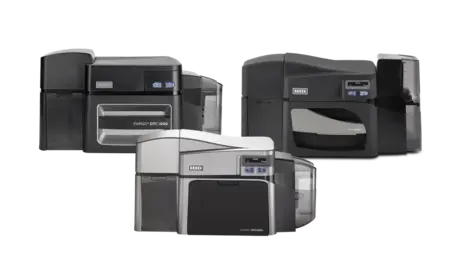
New encryption and watermarking aim to help schools, hospitals and government bodies secure ID cards without replacing existing printing setups.
Manufacturers, hospitals and service firms face escalating extortion threats as organised crime drives most attacks across Australasia.
The move targets a USD $260 billion market as owners seek one partner to cut delays, overruns and accountability gaps on major projects.
Crowdfunding will open access to a redesigned telepresence robot for schools, hospitals and offices, with donation-backed units for needy recipients.
Greater scrutiny will follow major infrastructure programmes as Accenture combines 5,000 specialists into a new capital projects unit.
More than 5,000 Scottish hospitals, schools and councils now have upgraded connectivity after BT finished a £350 million network programme early.
Indoor connectivity at an Optus store in Coffs Harbour is being boosted as more than 80 per cent of mobile data use now happens inside buildings.
Australia's cyber jobs shortage is pushing employers to judge practical performance and incident readiness more than certificates and titles alone.
Wider adoption in Canada is being held back by slower digital maturity, even as firms push spatial AI into hospitals, factories and defence sites.
More than 800,000 Dorset residents will have their records linked into a network now covering over 10 million people across seven NHS regions.
More than one in five Australians face significant vulnerability, with the new index tying the biggest risks to weak savings, insurance and superannuation.
The Perth expansion puts Optic Security closer to large maintenance contracts in Western Australia, where demand is rising across key sectors.
Training systems are struggling to keep pace as AI changes day-to-day tasks in UK skilled trades and raises replacement demand, Pearson says.
Flawed patient records are driving claim denials, delayed reimbursements and poorer trust as healthcare leans on AI and automation.