Industry 4.0 stories
Paper-based dispatch at the New Zealand manufacturer has been replaced with RFID tracking, cutting some picking tasks from 15 minutes to five.
The move should help the Indonesian apparel maker reduce SAP disruptions and close its books faster as it shifts focus to digitalisation and AI.
By standardising data from legacy machinery, factories can train AI models and roll out improvements without costly wholesale replacement.
Plants across Asia-Pacific are drowning in warnings, but most predictive maintenance tools still cannot say what is wrong or what to do next.
Industrial operators are being pushed to stitch together sensors, analytics and repair systems as unplanned downtime costs up to USD $1.0 trillion a year.
The Singapore robotics group will use the funding to expand in Australia and hire staff as manufacturers seek ways to lift productivity and cut costs.
It aims to cut downtime by helping maintenance teams find faults faster across manuals, logs and plant systems in one place.
The move could help German manufacturers and mid-sized suppliers widen AI use across factories, cars and research, officials said.
Industrial firms can use private 5G to cut downtime, improve safety and support automation where Wi-Fi and public mobile networks fall short.
Connected product data is now seen as the key to productivity gains, with manufacturers citing faster decisions, development and launches.
Attendees will see connectivity pushed into new sectors as dedicated automotive, health and aviation zones join the Barcelona show in 2027.
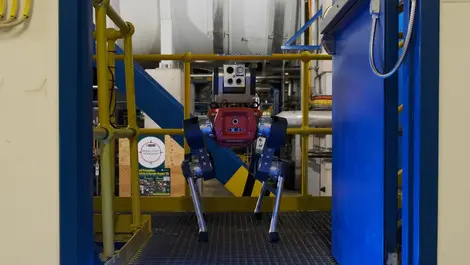
The upgrade lets inspection robots reach critical plant assets behind locked doors, cutting manual work while keeping security and fire controls intact.
Industrial operators could curb downtime and focus maintenance where it matters most as Lumicent links asset data to business risk.
The system could cut robot retraining from hours to minutes in factories where layouts and product lines change often.
Most life sciences manufacturers now see digital transformation as essential, with 54% reporting a cyberattack in the past year and many eyeing AI.
Factories and warehouses could see safer robot interactions as the system reads human posture and movement in real time on embedded hardware.
Her award puts a Tasmanian agtech firm on the national stage, after software built for berry growers won recognition for risk and impact.
The award highlights growing demand for private 5G systems that can keep warehouses and factories connected as robots and sensors move across sites.
Although nearly 90% of food and beverage manufacturers are using or planning AI, only about 45% of collected data is used effectively.
Australian manufacturers could uncover hidden cyber risks in ageing systems by treating AI-readiness reviews as part of routine security checks.