Scams stories
New Zealanders from 'all walks of life' reported 1131 cybersecurity issues ranging from cryptocurrency scams to phishing in 2017.
New Zealanders lost over $10.1m to online scams last year, with Auckland residents hit the hardest, according to Netsafe.
Tech-savvy scammers are swindling New Zealanders out of millions of dollars, with reported losses totaling $10.1 million last year.
Re:scam, an artificially intelligent email programme, is designed to engage scammers in a neverending cycle of conversation.
Email marketing giant MailChimp is the latest large enterprise to initiate a crackdown on cryptocurrency and ICO-related promotions.
Of course, identity theft isn't a purely online phenomenon. Criminals can use details found in the post or from discarded documents.
Google will ban cryptocurrency ads from June 2018, tightening its Financial services policy, following Facebook's similar move to combat scams.
The National Retail Association are set to provide free crime prevention workshops for retailers as part of a move to create a crime-busting network.
The email scams just keep coming – this time with a new variant of an eBay invoice scam that links directly to a file containing JavaScript malware.
What makes the difference between a successful phishing attack and an unsuccessful one?ask researchers from Carnegie Mellon University.
What makes people click on scam emails, and how can we educate them against opening themselves (and their organisations) up to vulnerabilities?.
Microsoft Dynamics is one of the latest applications to have its branding mimicked through phishing attacks that collect Microsoft login credentials.
More than 205 billion emails are sent and received every day with that number increasing every year - something hackers are keenly aware of.
Facebook has now banned all advertising for financial products such as cryptocurrencies, binary options and initial coin offerings.
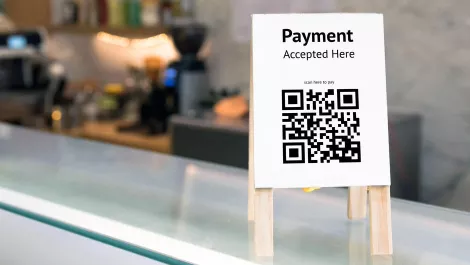
Scammers in Malaysia are using fake QR codes to steal data and money, warns Quann Malaysia. Users and businesses are urged to exercise caution.
Barracuda looks into a new phishing attack that impersonates popular web services to entice victims into giving away their credentials.
Scammers kick off the new year with email fraud using fake Suncorp, MYOB, and ASIC branding, sending malicious links and attachments to Australian users.
Proofpoint has released the findings from its massive Quarterly Threat Report – some of which are astonishing.
Australian Tax Office warns of cryptocurrency scam demanding Bitcoin payments for fake tax debts, with losses of over $50,000 reported.
Real estate agents and home buyers in Victoria are being targeted in a possible email hacking scam that has caused losses of more than $200,000.