Urbanization stories
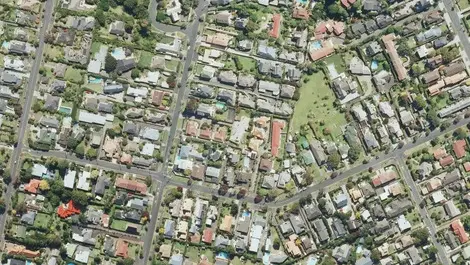
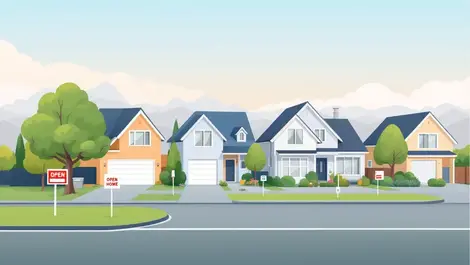
Record prices and a 14-year sales high show New Zealand's housing market is still racing ahead despite tighter lending rules and tax changes.
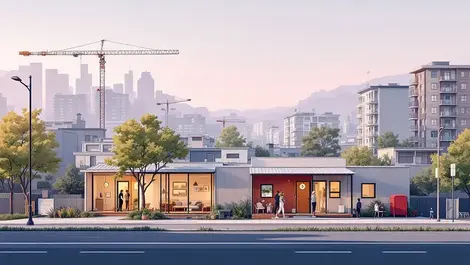
Lockdown housing for the homeless highlighted how policy, modular building and state spending could curb New Zealand’s affordability crisis.
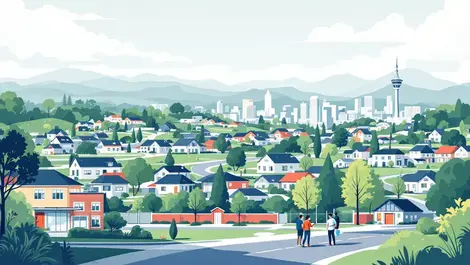
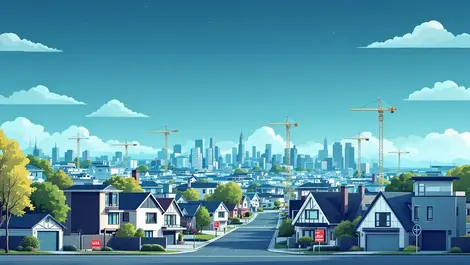
Auckland developers are finding stronger demand and easier consents as housing shortages, low rates and relaxed zoning reshape the market.
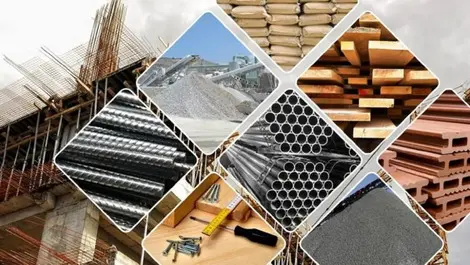
Sustainability, modular builds and antimicrobial coatings are expected to reshape the sector as pandemic-era demand and supply shifts persist.
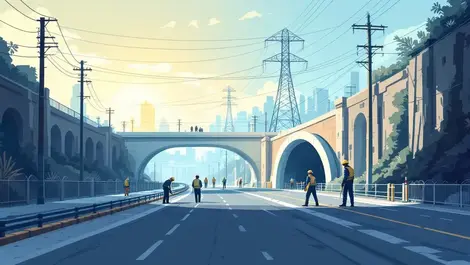
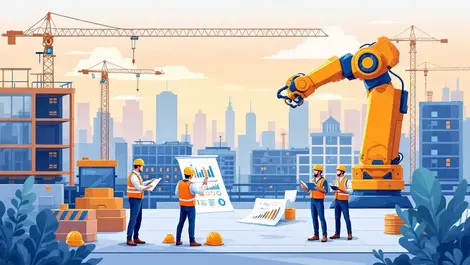
Rising retirements and digital skills gaps could push up infrastructure costs and slow delivery unless firms train workers in data and robotics.
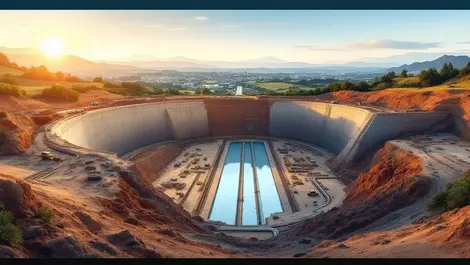
Residents could soon have 48 hours’ water supply in an earthquake as work starts on a GBP £68 million Wellington reservoir.
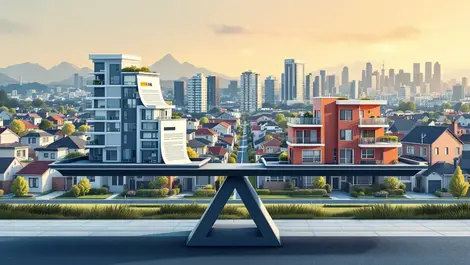
House prices could be kept artificially high, worsening inequality and locking buyers into the cost of poor policy, Infrastructure New Zealand says.
Hong Kong tops the global list for home prices, with an average residential property costing USD $1.23 million despite pandemic uncertainty.
Cities with lower poverty and stronger infrastructure are likelier to attract workers and firms as pandemic-era habits reshape where people live and invest.
Experts say estuaries need stronger protections and better monitoring as pollution, sediment and sea-level rise threaten New Zealand’s waterways.
Public buildings face tighter access controls as coronavirus drives demand for safer, greener entrance systems across Australia and New Zealand.
Auckland's housing crisis could deepen if the Drury project fails to deliver affordable homes despite NZD $2.4 billion in transport spending.
New Zealand home values kept climbing in February, lifting the average house to NZD $722,475 and worsening affordability for buyers.
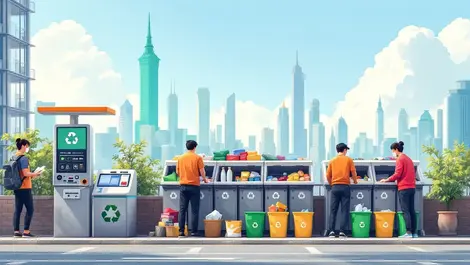
Environmental pressure is forcing China to curb single-use plastics, with major cities set to lose plastic bags by year-end.
Marine ecosystems face mounting pressure as pollution, fishing and warming seas threaten species, habitats and coastal communities.
They can lift air quality, insulation and wellbeing at home and in offices, while also trimming noise, heat and energy costs.
With 2.5 billion more people heading for cities, planners are eyeing stacked mixed-use towers as a way to save space and build community.
Australia faces a 1 percent of GDP infrastructure gap as rapid city growth, labour shortages and slower productivity strain new projects.
Urban developers face rising pressure to add renewable power, fibre and automation as tenants demand cheaper, smarter services.
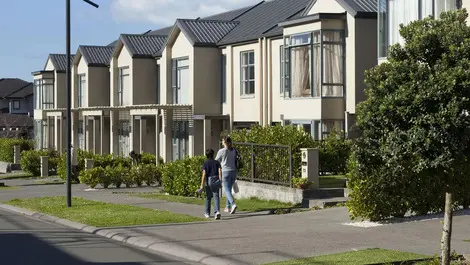
Poor housing outcomes and pressure on infrastructure could deepen unless councils, central government and industry align on urban growth planning.