

Sixty years of Sugarloaf: Christchurch's vital TV tower legacy
Thu, 16th Oct 2025
Kordia is marking the 60th anniversary of Christchurch's Sugarloaf transmission tower, a significant fixture in New Zealand's communications infrastructure.
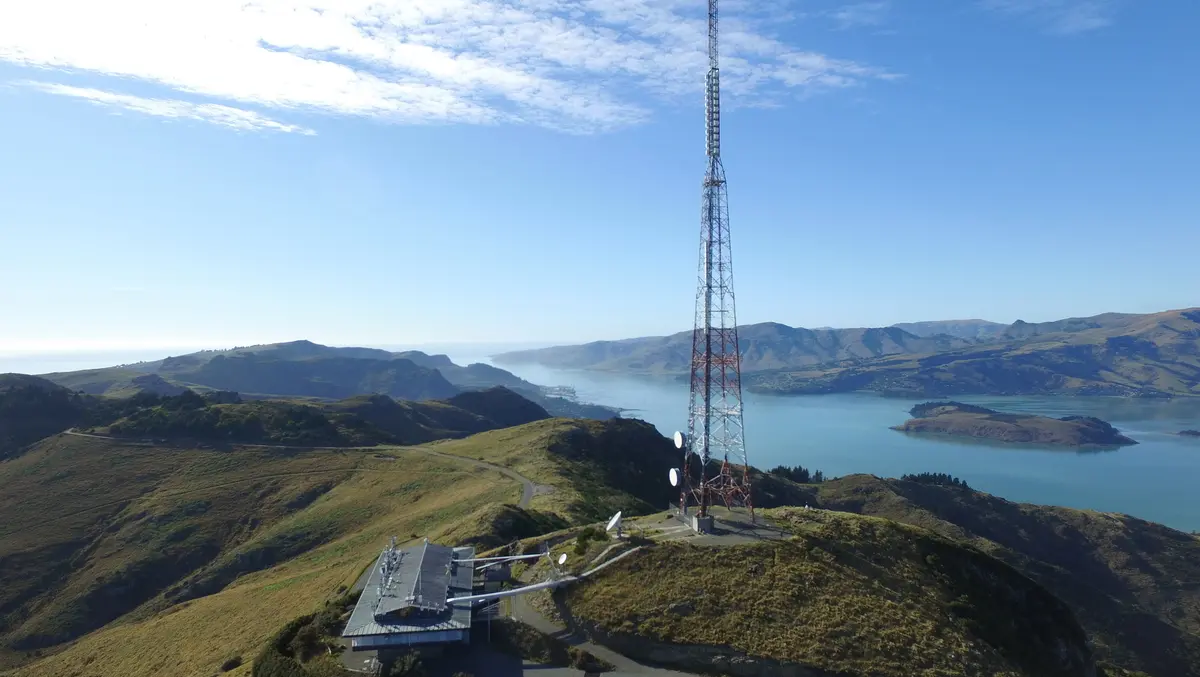
Located on the Port Hills, the Sugarloaf transmission tower, standing at 120.9 metres, was constructed by the New Zealand Broadcasting Corporation to form a part of the country's initial nationwide television network. Since its completion, the tower has continuously delivered television, FM radio, digital communications and provided essential connectivity for emergency services and aviation operations across much of Canterbury and the wider region.
The Sugarloaf site has been integral to numerous major events over the past six decades. One individual who witnessed much of this history is Andy Glue, who retired last year after 50 years working for Kordia. Starting as a 17-year-old apprentice technician at the site, Glue observed first-hand the transition from mono-channel black-and-white broadcasts to today's complex digital ecosystem.
"There were about 10 staff to cover the rostered shifts, 7 days a week. On a normal dayshift, we would meet at 8.00am at the base in Mowbray Street and travel to Sugarloaf in a Bedford van. We were on site for the full day with nowhere to go for lunch, so we had to bring everything needed for the day," says Glue.
Glue described the technical responsibilities in the tower's early years. "The duty technician was responsible for turning on the transmitters manually and doing all the pre-program checks. This included doing a full set of meter readings to identify any faults and monitor any long-term trends which may indicated something is degrading.
Goodnight Kiwi was our cue to turn off the transmitters and lock up the building before driving back down the hill to our base at Mowbray Street."
From an engineering perspective, the tower comprises a lattice steel structure set on a five-metre-deep concrete foundation anchored into volcanic rock. This design was intended to withstand both earthquakes and extreme weather conditions.
Kordia's Rigging Team Lead, Stuart Stacey, commented on the continuous challenge of maintaining both the structure's integrity and evolving technology requirements.
"A lot of work happens on the tower - maintaining equipment on the tower, assessing faults, installing ice shields, managing rust - I think over my career I've probably seen almost every bolt in the tower replaced!"
In 2005, the tower's strength was further reinforced when nearly every piece of steel and all bolts were replaced as part of a significant engineering undertaking by Kordia's team.
Crucial role in crises
Sugarloaf's resilience has been demonstrated during several of Christchurch's most challenging periods, including the 2011 earthquake. Glue recollected the scene that day.
"I was on call that day and was called out to Sugarloaf to fix a fault. The TVNZ news camera live eye circuit was down, and they were desperate to get live news coverage patched to the Avalon studio," recalls Glue.
He added, "I cautiously made my way up Dyers Pass Rd with lots of fallen rocks on the road and aftershocks still happening." Glue's and his colleagues' efforts ensured that vital broadcast and communications links remained operational throughout the emergency period.
The tower has also faced other natural threats, including the snowstorm known as the "Great Snow" in 1992, which prevented any access to the site, and the 2017 Port Hills fires, which approached close to the structure.
Legacy of service
Kordia CEO Neil Livingston highlighted the importance of both the infrastructure and the teams behind it as the company reflects on the milestone.
"Sugarloaf represents everything that defines Kordia - reliability, innovation, and service to the communities we connect," says Livingston.
He continued, "For 60 years, this site has delivered critical connectivity for broadcasters, emergency services and everyday New Zealanders. The dedication of our people, like Andy and the teams who have worked on Sugarloaf across the decades, is what makes this milestone so meaningful."
Kordia is now focusing on the future of connectivity across New Zealand.
"From the early days of black-and-white TV to the high-speed digital networks of today, Kordia has been at the heart of New Zealand's communications landscape. As we celebrate Sugarloaf's 60th year, we're also looking to the future - investing in technology that ensures New Zealand stays connected in new and smarter ways."
In Christchurch, Kordia is implementing a Distributed Antenna System at One New Zealand Stadium, known as Te Kaha, to deliver mobile connectivity for those attending events.
"It's fitting that 60 years after Sugarloaf was first switched on, Kordia is again delivering vital communications infrastructure right here in Christchurch," says Livingston. "In many ways, it brings our story full circle - connecting people then and connecting them now."
Ongoing impact
This year not only marks the anniversary of the Sugarloaf tower but also other significant transmission towers in New Zealand, such as Mt Kaukau in Wellington and Waiatarua in Auckland. These towers were all built from 1965 as part of the New Zealand Broadcasting Corporation's project to achieve national television coverage, with their legacy still felt today as they continue to underpin critical broadcast, radio and communications services across the country.