

Simwood links WhatsApp voice with global carrier tools
Wed, 7th Jan 2026
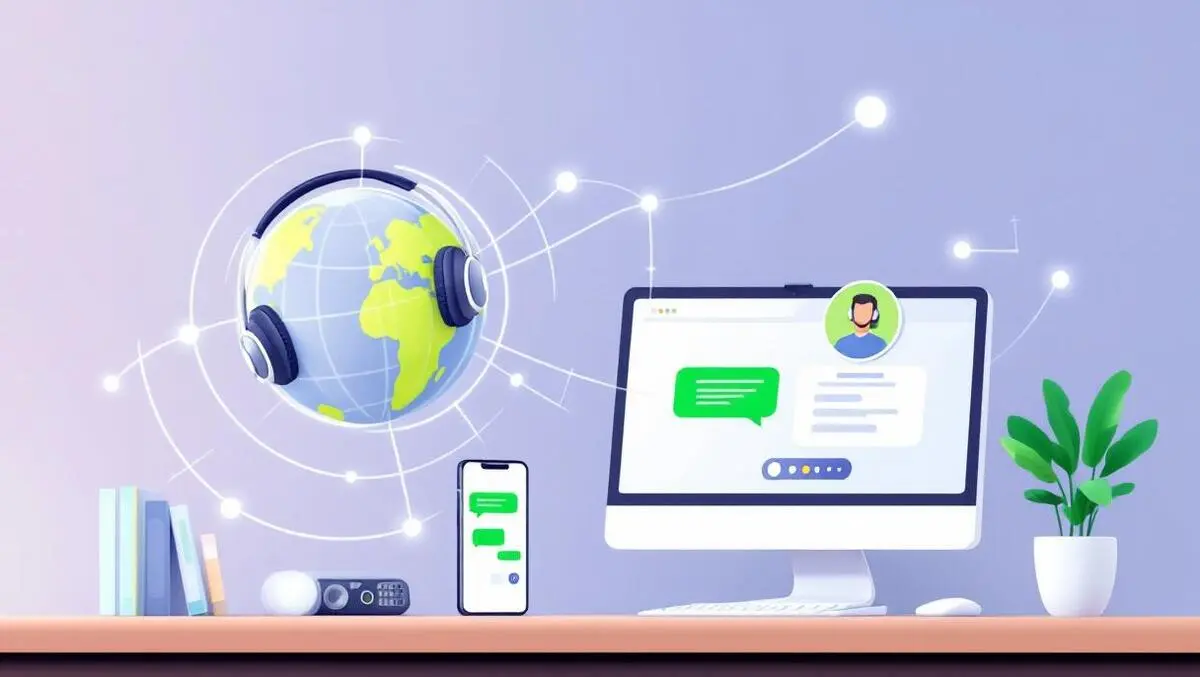
UK-based software-defined carrier Simwood has introduced WhatsApp for Business voice integration across its global network, opening direct voice calling between enterprise platforms and more than three billion WhatsApp users.
The launch links WhatsApp with unified communications tools such as Microsoft Teams and SIP-based systems. Enterprise users can place and receive verified, encrypted calls within WhatsApp, while calls route over Simwood's infrastructure.
The service is live on Simwood's production network and is available immediately. It targets carriers, managed service providers and platform operators that route enterprise traffic and manage multi-channel communications.
WhatsApp voice bridge
Simwood's integration treats WhatsApp as another endpoint within its software-defined network. Enterprises can connect calls between WhatsApp and platforms such as Teams and other UCaaS environments without changes to existing workflows or underlying infrastructure.
The company positions the development as a way for partners to connect business users on their preferred collaboration tools with consumers who favour WhatsApp as a primary communications channel. WhatsApp is widely used for personal and small business messaging worldwide and has been expanding its business-focused features.
Simwood said the approach shifts WhatsApp into the carrier ecosystem, rather than a separate over-the-top application that sits outside traditional telecoms routing and numbering.
"WhatsApp is where billions of conversations are already happening, and we're making it part of the carrier ecosystem," said Simon Woodhead, CEO of Simwood. "By bringing WhatsApp into our global software defined carrier network, we're giving carriers, MSPs, and platform operators a way to offer their customers secure, high-quality, and fully verified communication without changing how they work today. It's about removing friction, unlocking new revenue, and proving that innovation in telecoms doesn't have to come at the cost of reliability."
Two-way messaging
The integration covers both voice and messaging. Simwood supports two-way WhatsApp text exchanges that can flow through its API. Customers can also link conversations with AI-driven agents that manage both text and voice interactions.
Enterprises can handle WhatsApp messages within their existing communications or CRM workflows while using Simwood's routing and control layer. The company said the approach maintains compliance and auditability across channels by centralising interactions in systems that organisations already monitor and record.
Simwood's network features such as call recording, conversational AI agents and sentiment analysis are available alongside the WhatsApp integration. Partners can combine these functions with WhatsApp-based traffic, which introduces options such as recorded customer support sessions or automated triage by bots before transfer to human agents.
Any number, any channel
Simwood said its WhatsApp for Business integration does not rely on numbers being allocated by, or ported into, its network. Existing WhatsApp for Business numbers are eligible for use with the service anywhere in the world, which removes a potential barrier for enterprises that already operate WhatsApp-based customer contact points.
All WhatsApp Business numbers must be verified with Meta. Communications are user-initiated, which aligns with Meta's policies on spam and spoofing and reflects controls that differ from traditional outbound calling models.
Direct WhatsApp-to-PSTN call routing remains restricted under current Meta rules. Simwood's service instead focuses on any-to-any communication between WhatsApp, Teams, SIP, UCaaS platforms and AI agents, keeping calls inside digital and enterprise collaboration environments.
API-first approach
Simwood presents the integration as part of a broader API-led platform strategy. Customers can use a single API integration and bring-your-own-carrier options across markets. The company said this supports white-label services and value-added applications built on top of its network.
Charles Chance, Chief Technology Officer at Simwood, said the current market environment rewards providers that move faster than legacy telecoms models.
"Legacy models move at legacy speeds. More of the same means losing out to agile players or, worse, becoming irrelevant. We want our customers and partners to be able to build new communications services quickly with an API-first programmable platform and shape them to the needs of their enterprise customers," added Charles Chance, Simwood's CTO. "Our WhatsApp for Business integration is the next step in that journey. We're breaking down barriers between platforms and giving carriers, MSPs, and operators the tools to deliver truly unified, any-to-any communications."
Simwood said partners can wrap their own branding and commercial models around the service. It expects carriers and managed service providers to target sectors such as contact centres, customer service operations and distributed workforces that rely on a mix of collaboration tools and consumer apps.
The company operates its own global infrastructure as a software-defined carrier and has focused on programmable voice and messaging services for partners since its origins as an internet-to-mobile gateway provider. It plans further enhancements around omni-channel communications and AI-driven interaction handling on the same platform.