

2degrees launches Ring Ring to nudge Kiwis to call
Wed, 1st Apr 2026
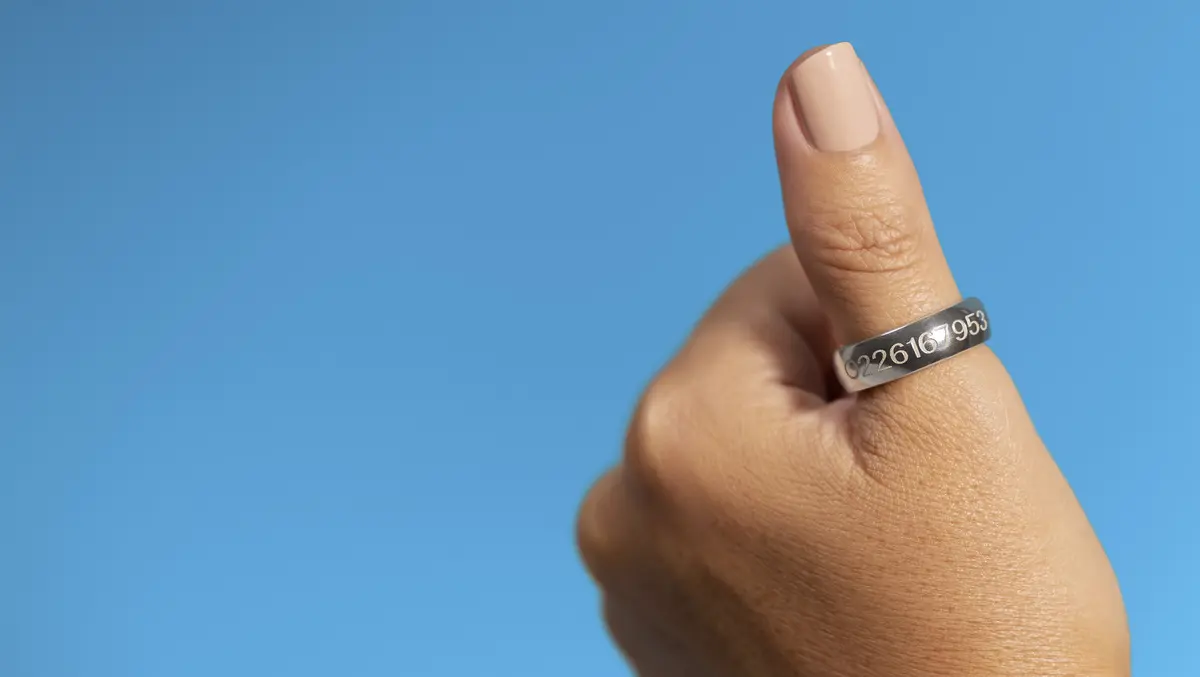
2degrees has launched Ring Ring, a thumb ring engraved with a loved one's phone number. The product follows research commissioned by the telco into how New Zealanders communicate.
The study found 68% of Kiwis mainly use text messaging or social platforms to keep in touch, while 15% regularly make phone calls. It also found 77% say a call with a friend or family member leaves them feeling better, and 67% believe meaningful conversations are becoming harder to find.
Taken together, the findings suggest a gap between how people communicate and how they want to feel. Nearly six in 10 respondents said there is someone in their life they wish they called more often, rising to 77% among Gen Z.
Asked what they do when they pick up their phone with a spare few minutes, 45% said they go to social media. Just 5% said they would call someone they care about, making social scrolling nine times more common than placing a call.
Convenience appears to be a major factor. The research found 31% see messaging as quicker and easier, 27% worry about interrupting someone, and 20% feel too busy for a proper conversation.
The survey also points to how far communication habits have shifted. Almost one in four New Zealanders said they could not recall a single phone number apart from their own.
Behaviour gap
2degrees developed Ring Ring as a physical prompt rather than a connected device. It has no battery or digital features, and is intended to remind the wearer to make a call instead of continuing to scroll.
The company is offering a limited run of 10 rings through a competition. Each can be engraved with the phone number of someone the wearer wants to call more often.
Zac Summers, chief marketing and strategy officer at 2degrees, said the company saw a mismatch between the many tools available on smartphones and the form of communication people still value most.
"The modern phone is a technological marvel, but it has so many functions and so many ways to communicate that sometimes we don't find the best way to connect. It's easy to get pulled into messages, feeds and notifications, when what we really need is a proper conversation.
"A simple phone call cuts through that. It's still one of the most powerful ways to connect. Turns out the original function of our phones is the one that does the best job of connecting us with others."
Gen Z focus
The data suggests younger adults feel this tension most strongly. While Gen Z has grown up with digital communication as the default, the survey found this group was more likely than the wider population to say meaningful conversations are hard to come by and to wish they called someone more often.
Among Gen Z respondents, 81% said they feel better after speaking on the phone with someone close to them, compared with 77% across all respondents.
Dougal Sutherland, a clinical psychologist and wellbeing expert cited by 2degrees, said voice conversations create a different kind of contact from text-based exchanges.
"We're constantly in touch, but not always in ways that feel meaningful. A phone call creates a different kind of connection because it's more present, more human.
"We often assume we need a long stretch of time to properly catch up, so we put it off. But even eight minutes talking to a loved one over the phone can meaningfully improve your mood and sense of connection. The irony is that most of us will spend that same time scrolling, when a phone call would have left us feeling so much better."
Low-tech response
Ring Ring arrives at a time when wearable technology is often associated with sensors, health monitoring and software integration. 2degrees has instead chosen a simpler object aimed at changing a single behaviour.
That approach reflects the wider theme of the research, which suggests the issue is less about access to communication tools than how people use them. Phones offer more ways to contact others than ever, but the survey indicates many users see a phone call as more emotionally useful than the options they choose most often.
Summers said the ring was designed to make that tension visible in everyday use.
"Wearables today track everything - sleep, steps, stress. We wanted to create something that doesn't track you but gently nudges you towards something better. It's really a way to get people talking - about actually talking."